
In most civilizations, major changes in ideology, culture and institutional structures are resulted due to the power of mass movement. When a large group of people feel oppressed or wrongfully treated, be it through the prevalent culture or law, discontent builds up. It builds up to the point that it cannot be tolerated any longer, and this is when it materializes in the form of a rebellion.

Rebellions have been around for as long as civilization itself. In the U.S. context, one example would be the Chicano Movement in the 1960s. Mexican-American students, unhappy with the substandard quality of education they get - poor equipments and materials, inadequate facilities, low expectations -, decided to execute this rebellion to ask for their rights. They staged walkouts out of the schools in Los Angeles, demanding these rights, knowing low attendance in the schools will affect their funding.

This cultural "value" of rebelling when groups of people are suppressed, no doubt changed the American cultural and social landscape. Because of movements like the Chicano movement and Watts protests, there was an increased awareness of the racial inequalities present in California, and the rest of United States. Only because of such movements did these inequalities get addressed.


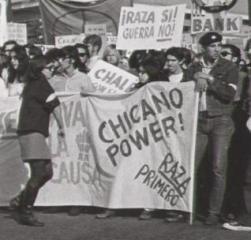
Did rebellions containing violence such as the Watts Riots and Civil Unrest create more destruction that distracted city officials from the real issues rather than increasing awareness of the inequalities? Furthermore do all rebellions increase awareness or is there a certain kind of rebellion that serves best to increase awareness?
ReplyDeleteEven though rebellions do have harmful effects, I feel that they were necessary to create change in the society, for without such noticeable events, the mass public would never be informed of the discontent of those suffering. Chicano students did try to talk to their teachers to ask for more equal rights in the East L.A. schools. However, they were not addressed, and this was the only reason they decided to engage in the mass walkout. Rebellions, if their cause is clearly highlighted, would all serve to increase awareness, granted they are not contradictory to the type of rebellion (e.g. peace demonstrations by burning of cars and properties).
DeleteHow did these inequalities get addressed? Although they were addressed, do you feel it was efficient enough and in what ways do you feel we are still addressing this racial issues?
ReplyDeleteFor the East L.A. schools, the students were given better educational rights and materials. For the racial riots such as the Watts, the mass public had much more awareness of the inequalities, and thus became more understanding towards these minorities. There were also laws and policies put in place to prevent racial discrimination.
DeleteDo you believe that all rebellions are justified?
ReplyDelete